
Drone inspections do not have a flying problem. They have a review problem.
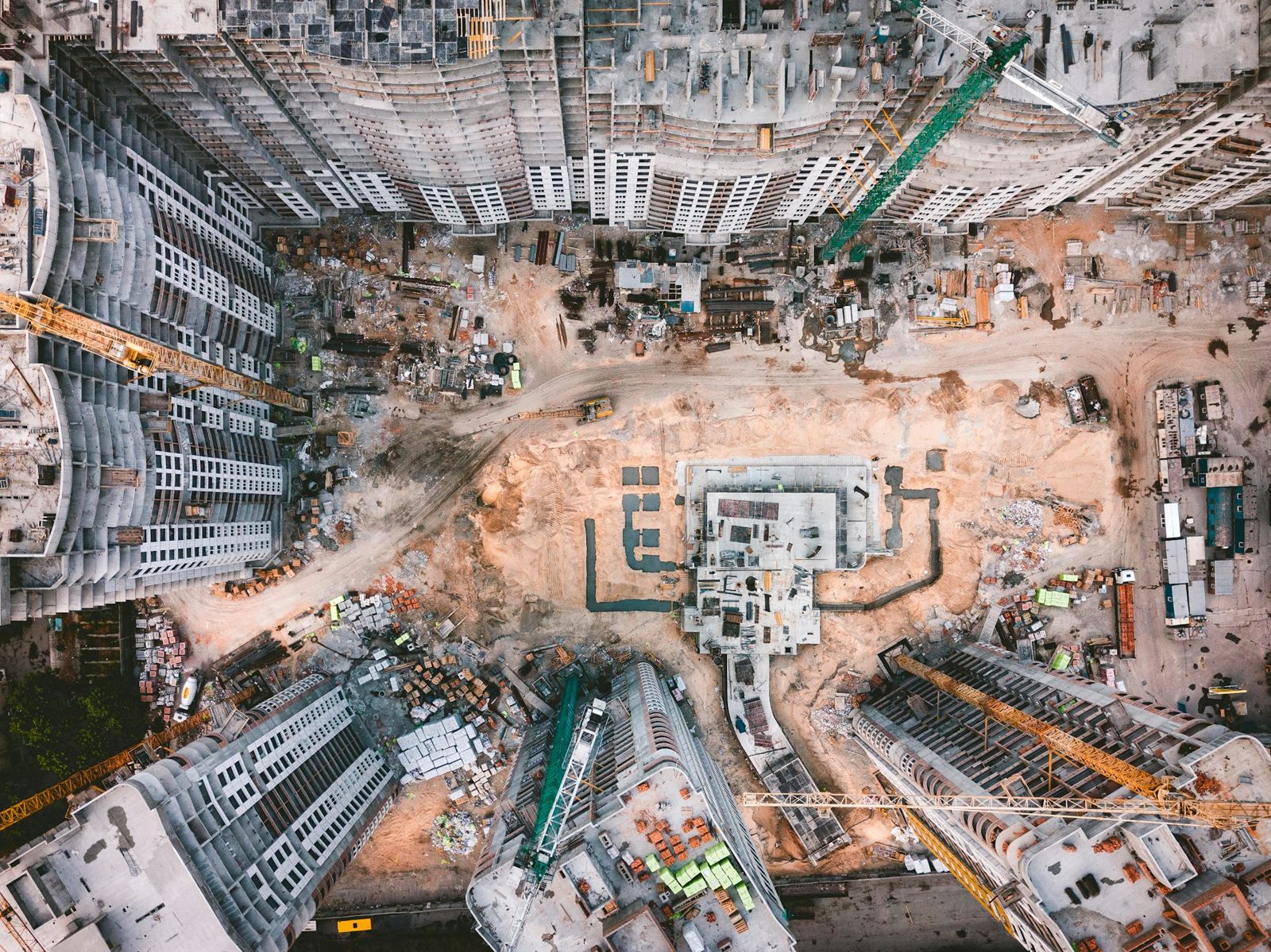
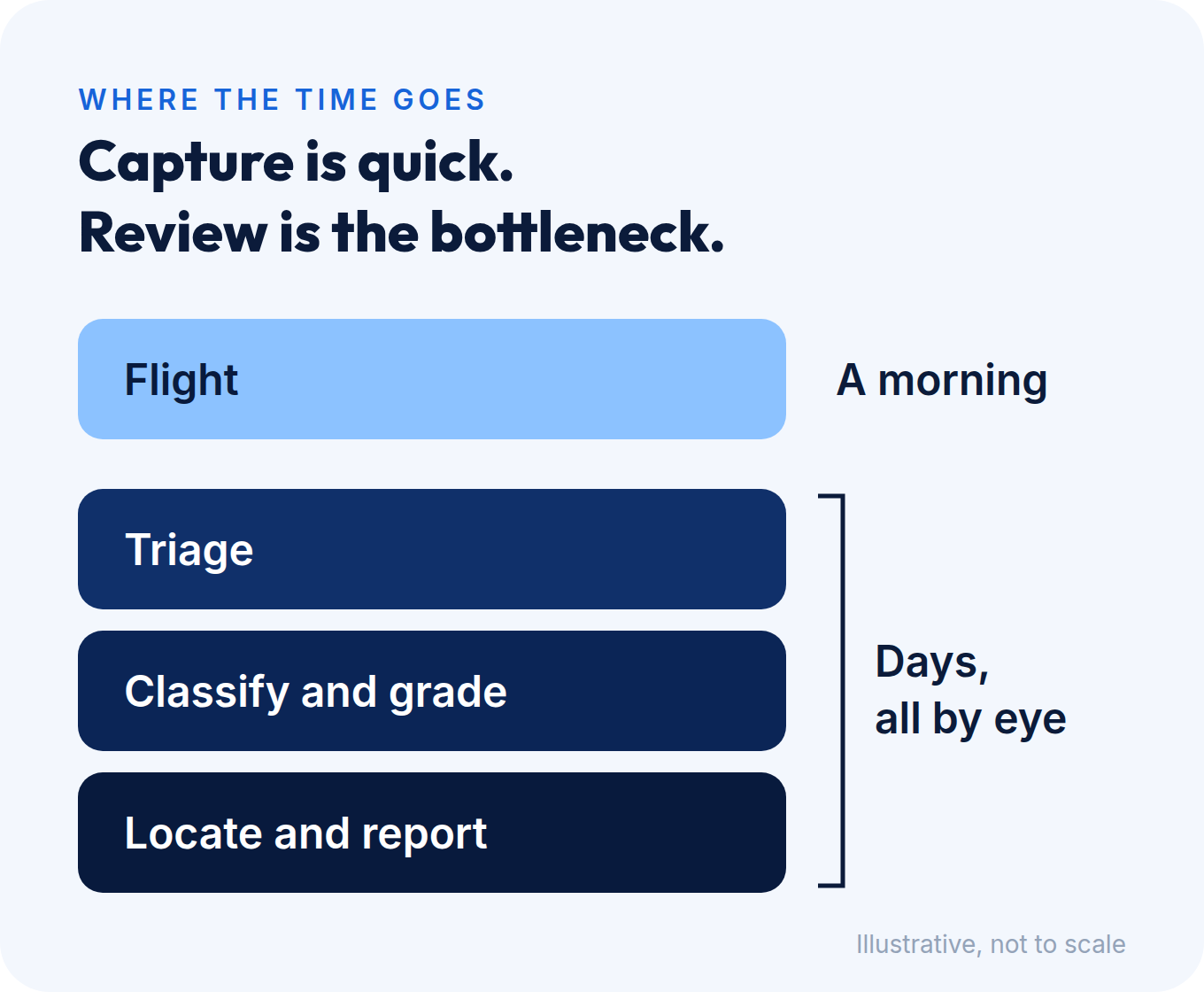
A drone can capture a mid-rise facade in a single morning. The team then returns with thousands of images and a report to deliver, and almost everything after capture is still done by eye.
Where the time goes
Triage, classification and reporting are repetitive visual work. Grading is also where consistency suffers: in the US Federal Highway Administration's study of visual bridge inspection, 49 inspectors assessing the same structures gave the same component four or five different condition ratings (FHWA).
Why this is about to matter more
New York City's Department of Buildings has proposed requiring drone inspections for taller buildings (Habitat), with adoption expected for the cycle beginning in 2030 (Thornton Tomasetti). These are proposals, not yet rules. If adopted, image volumes, and the review burden with them, will rise sharply.
Redesigning the review
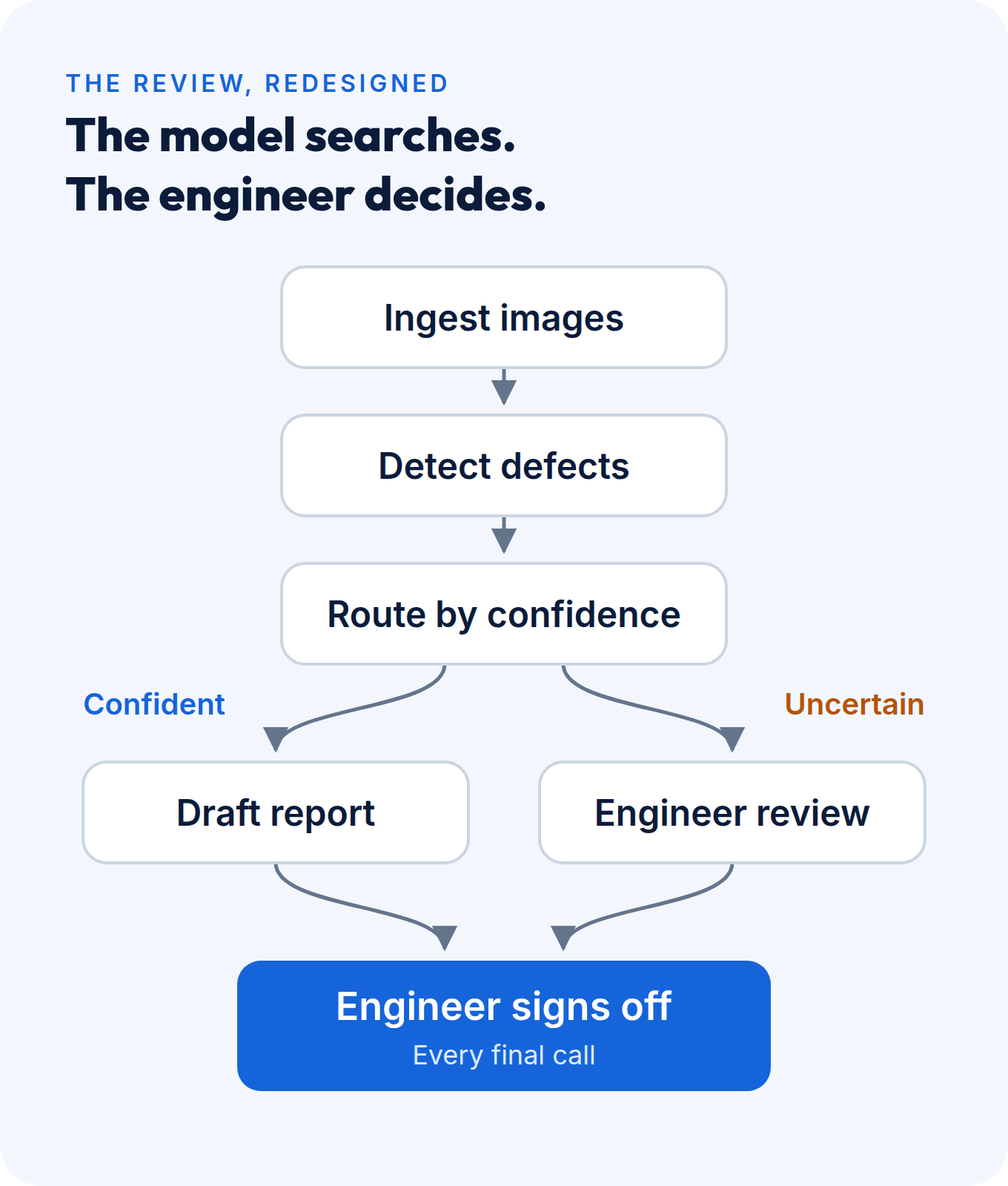
A model finds and classifies candidate defects against your categories. Confident findings go into a draft report with annotated images, locations and suggested severities; uncertain ones go to an engineer. The engineer stops searching for problems and starts judging them.
It does not replace the accountable professional. New York still requires a close-up physical examination under a Qualified Exterior Wall Inspector (RAND Engineering & Architecture), and the city's own drone report states that visual data cannot replace physical examination (NYC Department of Buildings).
Why generic models fall short
Off-the-shelf inspection platforms now handle common defect types well, and for many practices they are the right place to start. Where they fall short is your own categories, imagery and report format. A model trained on someone else's photographs misses what matters to you; one trained on your past, labelled inspections learns your standard.
How to judge any accuracy claim
Vendors publish large headline figures. Treat any number as unproven until it holds on your own imagery, measured four ways:
- Review time per building, before and after
- Report turnaround time
- Recall: the defects your engineers found that the model also found
- False alarms per 100 images
Test it on 50 of your own images
Choose a building you have already inspected and share 50 of its images. We return them with detected defects marked, for you to compare against your own findings. If the model does not hold up, you have spent a few hours, not a project budget.
Email us and we will send a secure upload link.